


 |
The saw blade market continues to be influenced by increasing demand across construction, woodworking, metalworking, and manufacturing. Saw blade technology keeps advancing, with products offering improved longevity, higher productivity, and the ability to cut a variety of materials.
Key manufacturers are continuously investing in research and development to produce high-performance blades with cutting-edge materials like carbide, diamond, and high-speed steel, which improve cutting precision and lifespan.
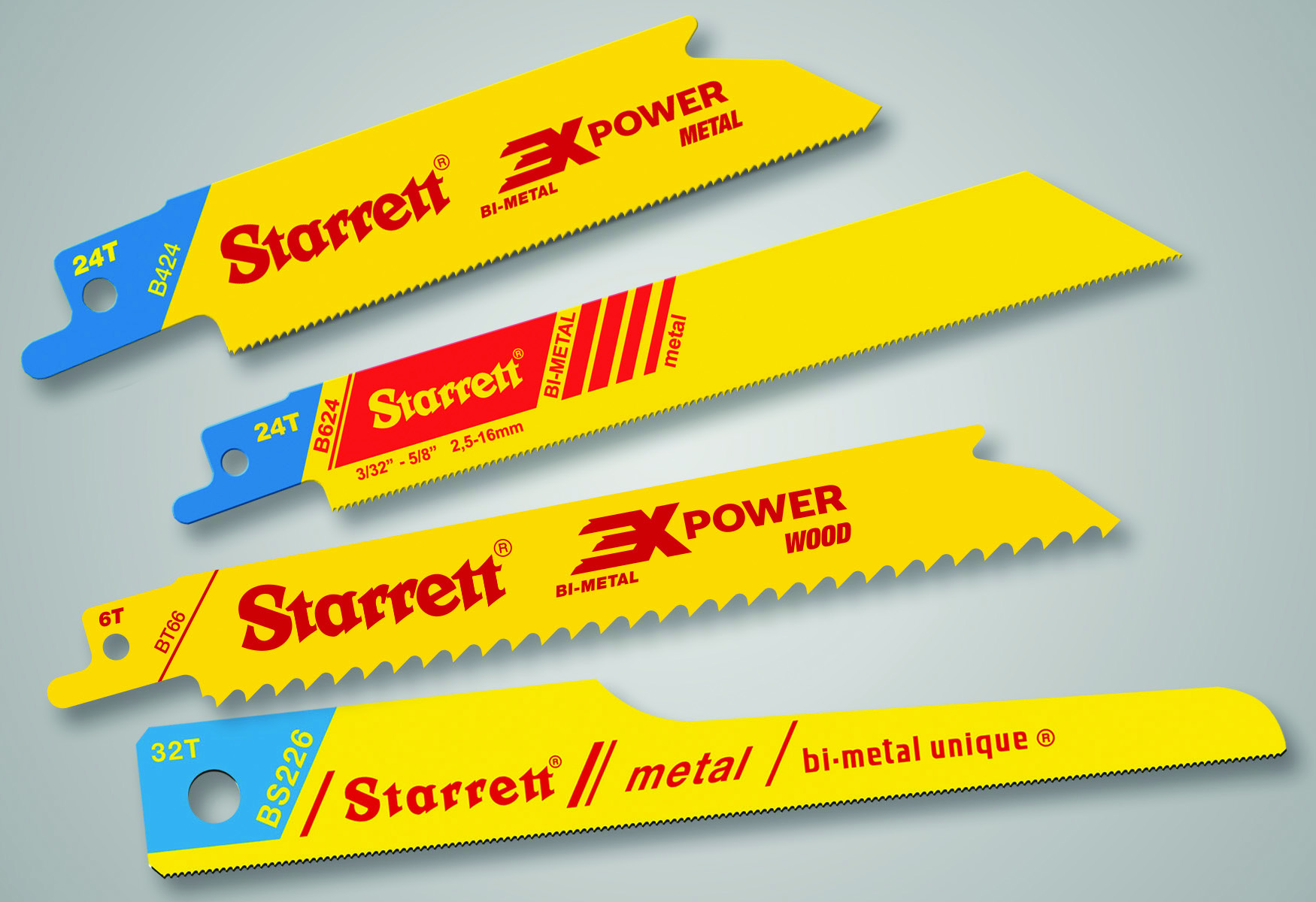 |
| Starrett’s cutting innovations include a growing array of blades designed for a variety of tools including more than 60 blades for portable bandsaws. |
STARRETT
When it comes to saw blades, the most common misconception is that a blade is a blade. The person buying the blade isn’t always an experienced user and aware of the significant differences.
Felipe Arntsen, product manager of saws at Starrett, says experienced professionals know that the wrong TPI, the wrong blade type for the material being cut, leads to slower cuts, more blade changes and downtime.
Also, many buyers are convinced that the premium blades are only used in industrial enviroments.
“On a jobsite, where conditions are unpredictable, a quality bi-metal blade pays for itself quickly,” Arntsen says.
Driven primarily by ongoing infrastructure projects and residential renovation, overall demand for a variety of blades remains high. Specifically, Arntsen says there is an increased demand for blades that handle abrasive and non-ferrous jobsite materials like fiberglass, plastic conduit, or brick, as construction materials diversify.
In addition, he says the DIY market continues to grow and those consumers continue to buy more tools.
“The professional contractor is still the core buyer, but DIY has become a growing part of the picture,” Arntsen says.
Distributors who can guide customers to the right blade can reduce returns and build loyalty.
“Pushing the cheapest option that fails mid-job costs everyone in the chain,” he says. “Brands with consistent quality and reliable availability make that conversation easier.”
Arntsen notes that raw material cost volatility continues to pressure margins across the supply chain and tariff uncertainty makes inventory planning harder than it needs to be. Ensuring customers have blades that hold up is imperative.
Within the realm of blades, he says variable pitch tooth geometry continues to improve, reducing vibration and delivering cleaner cuts on demanding materials.
“The focus for Starrett is on having a complete line that professionals can rely on across applications, from hole saws on the electrical rough-in to a Portaband blade for field cutting,” he says.
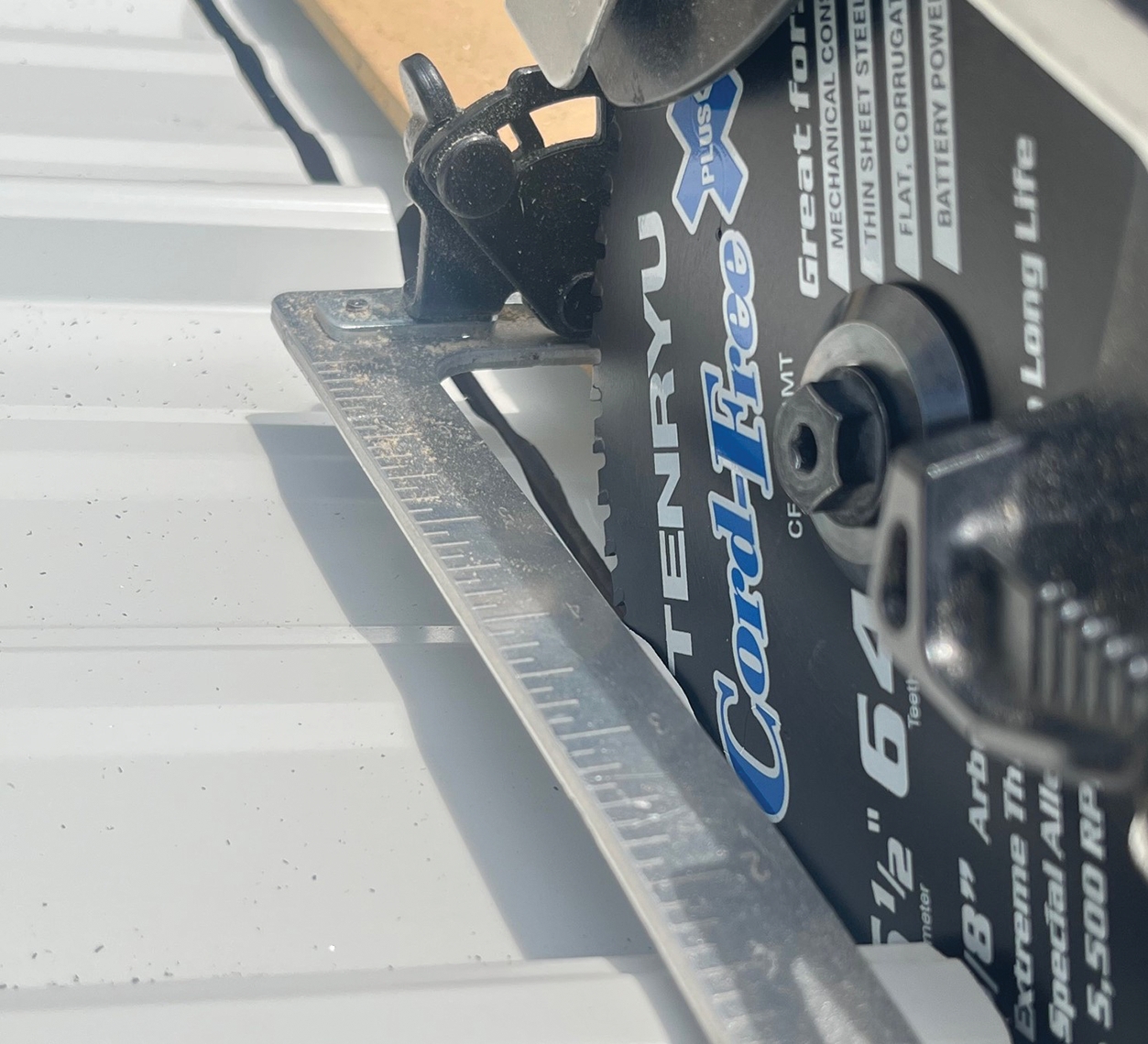 |
| Listening to end users, Tenryu designed its Heavy Metal Plus X Series of cermet-tipped saw blades which are designed to cut a variety of different material thicknesses and shapes. |
TENRYU
Slow RPM dry cutters are recognized as user-friendly power tools for metal fabricators and mechanical contractors.
There are several blade options in the market. Unlike choosing woodworking saw blades for general contracting, contractors find it difficult to pick the right saw blade.
“It is challenging for manufacturers to design a multipurpose saw blade that satisfies everyone’s needs,” says Keiji Iida, national sales manager, Tenryu. “Cutting with the wrong blade can easily damage the protective coating.”
Carbide-tipped Tenryu Steel-Pro was introduced in the U.S. market in 1998 as the first user-friendly steel-cutting saw blade series.
“As the dry cutting power tool market grew and became more educated, demand for saw blades designed for specific applications naturally increased,” Iida says. Tenryu kept expanding its metalworking saw blades line, resulting in the industry’s most varied steel-cutting saw blade offerings for power tools.”
Listening to end users, he said the Tenryu Heavy Metal Plus X Series was developed, providing HMC-30572DX (12 inch) and HMC-35581DX (14 inch) general-purpose cermet-tipped saw blades. They are designed for cutting many different material thicknesses and shapes typically found at jobsites or shops.
“These blades are designed with ultra-fine, thin-kerf teeth that slice through sheet steel like a utility knife cutting paper,” Iida says.
Applications for use include cutting 10 to 20 gauge structural studs, round tubing, and heavy-walled (1/4 to 3/8 inch, no thicker than 1/2 inch) square pipes.
“This new generation of Tenryu general-purpose steel-cutting saw blades features unique design elements,” he says.
Kerf of the blades is just .087 inches, compared to the .098 inches of the original Steel-Pro blades, slicing through steel like a sharp knife with minimal resistance.
“The increased tooth count of the modified triple chip grind enables the blades to cut more stably without jamming, even when cutting very thin-shaped stock,” Iida says.
In addition, he notes that these general-purpose steel-cutting saw blades are built with select cermet alloy tips, providing two to three times longer tooling life against high heat generation in heavy-duty metal-cutting applications, due to their superior anti-wear features.
LEARN MORE
This article originally appeared in the August/September 2026 issue of Contractor Supply magazine. Copyright, 2026 Direct Business Media.

CONTRACTOR SUPPLY MAGAZINE

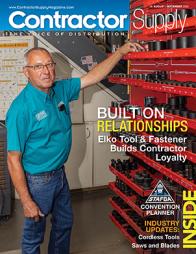
The August/September 2026 issue of Contractor Supply magazine is here!
In our cover story, Built on Relationships, Elko Tool & Fastener of Elko, Nevada has found success in the mining market by offering good customer service.
Also in this issue are Industry Updates.
This digital edition, sponsored by BECK AMERICA Inc., is fully searchable and contains live links to every advertiser and new product listing. Click away!
| Read the Articles Read the Digital Edition |