


Greenlee Unveils Next Generation HIgh-Voltage Tester
Greenlee has introduced the IT-5 Insulator Tester to help transmission crews quickly assess high-voltage insulator condition with confidence.
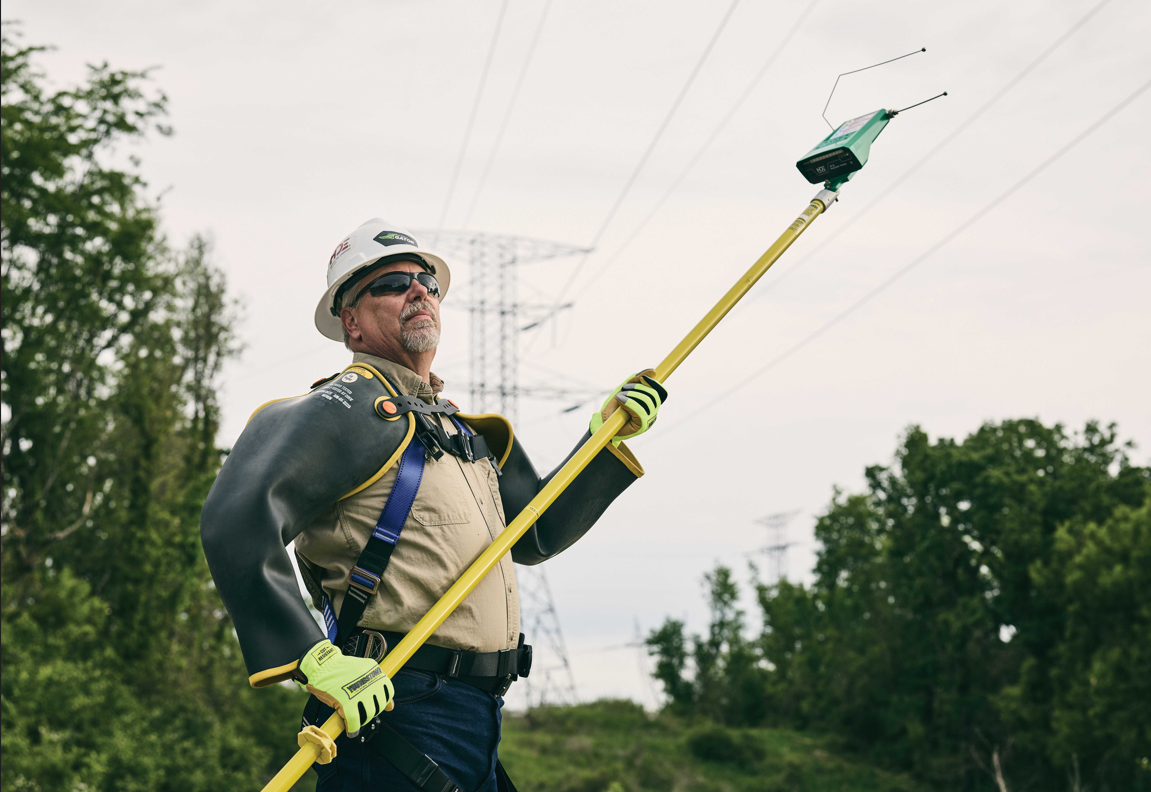 |
The IT-5 brings next generation capability to a job where accuracy is critical. It detects internal dielectric failures in porcelain and glass suspension insulators and detects surface contamination on all types, including porcelain, glass, and polymer/composite.
Insulator degradation can lead to outages, equipment damage and significant safety exposure, making accurate testing critical to maintaining system reliability and worker safety. Crews use the IT-5 during maintenance, inspection and installation work to verify insulator performance before continuing line operations.
“High-voltage insulators play an important role on transmission lines by preventing electricity from traveling where it shouldn’t,” said Ryan Berg, director of product management at Greenlee for Emerson. "The IT-5 gives crews a simple way to check insulator integrity in the field, helping them spot potential problems quickly with clear visual and audible cues that make the tool easy to learn and use."
Designed to fit existing crew workflows, the IT-5 works with universal spline and shotgun sticks and requires no additional setup.
Key features
- Clear Go/No-Go Readout: LED indicators and an audible tone provide immediate results, helping crews make the call and keep work moving.
- Simple to Use - A one-button interface with clear at-a-glance feedback supports fast adoption with minimal training.
- Balanced, lightweight design improves handling on a hot stick and reduces fatigue during repeated checks.
- A USB-C rechargeable battery supports longer runtime and convenient charging in the truck or at the yard/shop.
- Backward compatibility helps utilities upgrade without replacing existing accessory probes.
By delivering quick, easy-to-understand results, the IT-5 helps crews perform repeated inspections efficiently and confidently. For utilities, its simple operation also supports more consistent testing across crews and fleets without adding unnecessary complexity.

CONTRACTOR SUPPLY MAGAZINE
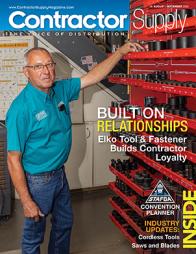
The August/September 2026 issue of Contractor Supply magazine is here!
In our cover story, Built on Relationships, Elko Tool & Fastener of Elko, Nevada has found success in the mining market by offering good customer service.
Also in this issue are Industry Updates.
This digital edition, sponsored by BECK AMERICA Inc., is fully searchable and contains live links to every advertiser and new product listing. Click away!
| Read the Articles Read the Digital Edition |