


Holding the Line
Virtually every segment of the U.S. economy relies on construction activity in one form or another. In that sense, economic growth is a collective effort, and as the industry moves into the second half of 2026, that effort is being tested by persistent uncertainty affecting contractors, distributors and manufacturers alike.
For the construction sector and its supply chain partners, labor availability remains one of the industry’s most pressing concerns.
Associated Builders and Contractors Chief Economist Anirban Basu recently characterized the market as being defined by “an utter lack of churn.” According to Basu’s latest analysis, the industry’s layoff and discharge rate remains below any level recorded prior to 2022.
Coupled with slowing nonresidential planning activity, the data points to an industry operating in a cautious holding pattern as companies navigate ongoing economic uncertainty.
Distributors continue to face a similarly complex operating environment. Much of 2025 was marked by sharp and unpredictable pricing swings, with costs moving up one week and retreating the next. Entering 2026, construction input prices accelerated again, fueled largely by rising energy costs tied to geopolitical instability.
While product pricing has shown signs of stabilization in recent months, volatility in fuel markets continues to pressure transportation, packaging and manufacturing expenses throughout the supply chain.
The longer these geopolitical disruptions persist, the greater the potential impact on small and mid-sized businesses operating on tighter margins.
Freight discipline has become increasingly critical in managing margin pressure and maintaining service reliability.
For distributors, labor, pricing and freight management remain interconnected challenges that directly influence profitability and operational performance. Successfully navigating these conditions requires more than individual leadership. It demands organizational alignment and a strong team culture.
Steve Jobs once summarized that reality succinctly: “Great things in business are never done by one person. They’re done by a team of people.”
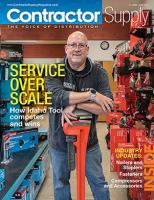
That mindset is reflected in this issue’s cover story on Idaho Tool beginning on page 14. From owner and president Brandon Guthrie throughout the organization, the company demonstrates how a collaborative culture can help drive long-term success in a demanding market.
The remainder of 2026 will likely continue to present both opportunities and setbacks. But companies with strong teams, disciplined operations and a willingness to adapt will be best positioned to weather uncertainty and emerge stronger on the other side.
Ryan Whisner
rwhisner@directbusinessmedia.com
This article originally appeared in the June/July 2026 issue of Contractor Supply magazine. Copyright, 2026 Direct Business Media.

CONTRACTOR SUPPLY MAGAZINE


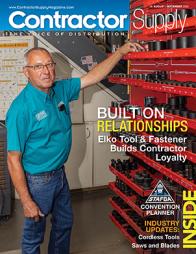
The August/September 2026 issue of Contractor Supply magazine is here!
In our cover story, Built on Relationships, Elko Tool & Fastener of Elko, Nevada has found success in the mining market by offering good customer service.
Also in this issue are Industry Updates.
This digital edition, sponsored by BECK AMERICA Inc., is fully searchable and contains live links to every advertiser and new product listing. Click away!
| Read the Articles Read the Digital Edition |