


Commercial Construction Outlook Remains Positive
International insurer and reinsurer QBE North America recently unveiled it’s U.S. Commercial Construction 2025 Outlook.
 |
Developed in partnership with Control Risks, the report explores near-term risks and opportunities for future growth in commercial construction.
“While the industry continues to navigate labor and cost challenges, the overall trajectory for commercial construction remains positive in the United States,” said Ryan Powers, senior vice president and head of construction at QBE North America.
He said the report shows that there are significant opportunities for growth due to industrial construction, tax cuts and private equity activity, foreign investments in America and green construction.
However, going forward, there are still some challenges contractors will face. Key themes explored in the 2025 report include:
Labor shortages will likely persist.
According to Powers, construction firms are facing difficulties finding enough workers to fill open positions during a period of record-high construction employment in the United States. An aging workforce and immigration restrictions are impacting the labor supply gap.
Cost of materials.
Tariffs are increasing material costs for the construction sector in the short-term with the overall average weighted tariff rate at around 20%, up from 2-3% in January. Tariffs are even higher on critical construction inputs such as steel, aluminum and copper.
Construction investment to taper off after federal subsidies are allocated.
For the next few years, construction-related investment is expected to continue. However, that boom for construction will taper off in the next decade after existing public subsidies, tax credits and funding for domestic manufacturing are allocated.
Ultimately, Powers said the general two to three-year outook remains positive, despite some near-term uncertainty.
He anticipates that enthusiasm for advanced manufacturing investments will sustain growth in commercial construction and the U.S. market will remain an attractive investment destination.
“Given the headwinds and uncertainty, insurers and brokers must work with their clients to proactively manage new and existing construction risks,” Powers said. “Some companies may seek to fill the labor gap with inexperienced workers, which could impact work quality and safety.”
In addition, he said geopolitical escalation of tariffs may impact project expenses and timelines.
“Tailored insurance solutions are essential to mitigating risks and safeguarding project timelines and financial stability,” Powers said.

CONTRACTOR SUPPLY MAGAZINE


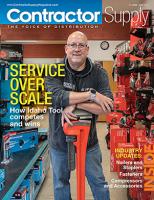

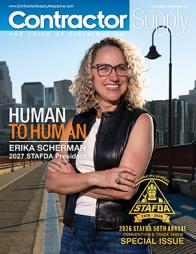
The October/November 2026 issue of Contractor Supply magazine is here!
In our cover story, Human to Human, MC Tool & Safety Sales competes with larger distributors by putting relationships, service and customer knowledge first.
Also in this issue are Industry Updates.
The digital edition, sponsored by BECK AMERICA Inc., is fully searchable and contains live links to every advertiser and new product listing. Click away!
| Read the Articles Read the Digital Edition |