


Pewag Expands Stock of Levo Load Balancers
Pewag Inc. has expanded U.S. stock of its Levo load balancer, which is used below-the-hook of a crane when the load has to be lifted horizontally or at a certain angle.
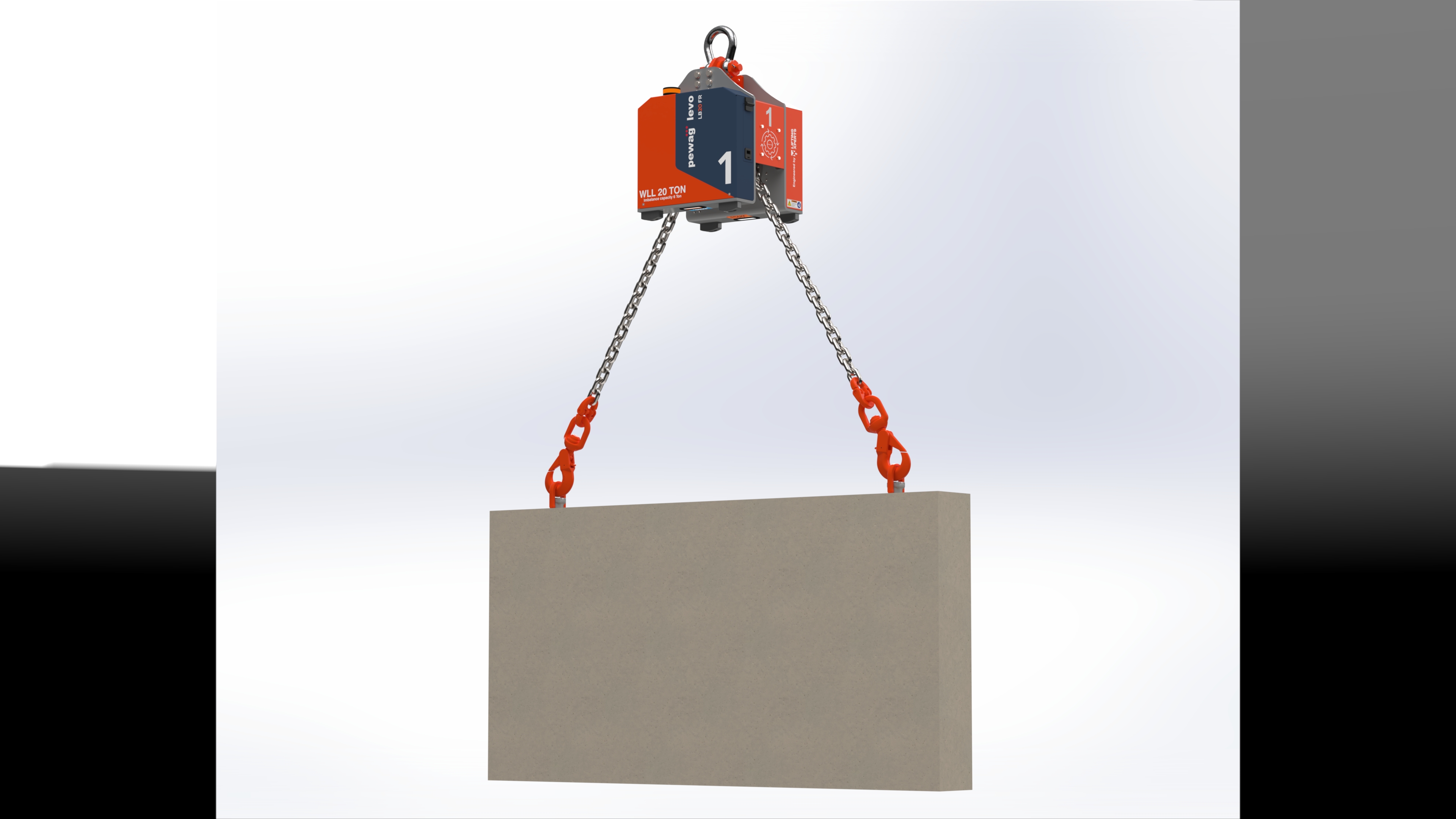 |
| The pewag Levo load balancer is used below-the-hook of a crane when the load has to be lifted horizontally or at a certain angle. |
The load balancer is available in 5t, 20t and 50t capacities, as standard, with an option of a special 100t capacity version.
It is designed to tilt and rotate a load remotely, providing precise control and orientation during lifting. It offers 360° tilting / rotation, making it ideal when a load must be positioned horizontally, at a specific angle, or manipulated in mid‑air for alignment.
The product is frequently used in the construction industry to position steel or concrete structures and bolted connections accurately, tilting and moving profiles in the air rather than on the ground or manually to reduce damage and labor.
It provides remote-controlled tilting and rotation for safer load handling, serving as an alternative to the more traditional method of using chain hoists or adjustable slings.
“The load balancer delivers smooth, pinpoint load control in many scenarios,” said Doug McElravy, sales operations manager at pewag. “Complex lifts require safe remote placement and precise angle control. Precast, steel erection, and bolted connections require especially accurate placement. In renewable energy, proper orientation ensures safe and efficient operations, while controlled tilt helps alignment and reduces manual handling.”
The balancer is now available for rent and purchase from pewag Inc.’s specialist partners and distributors, which include rigging shops, lifting equipment supply houses, and rental fleets.
End users include rigging and lifting professionals, alongside heavy lift planners; crane rental and specialist lifting companies; renewables installers; and industrial installation or machinery moving teams.
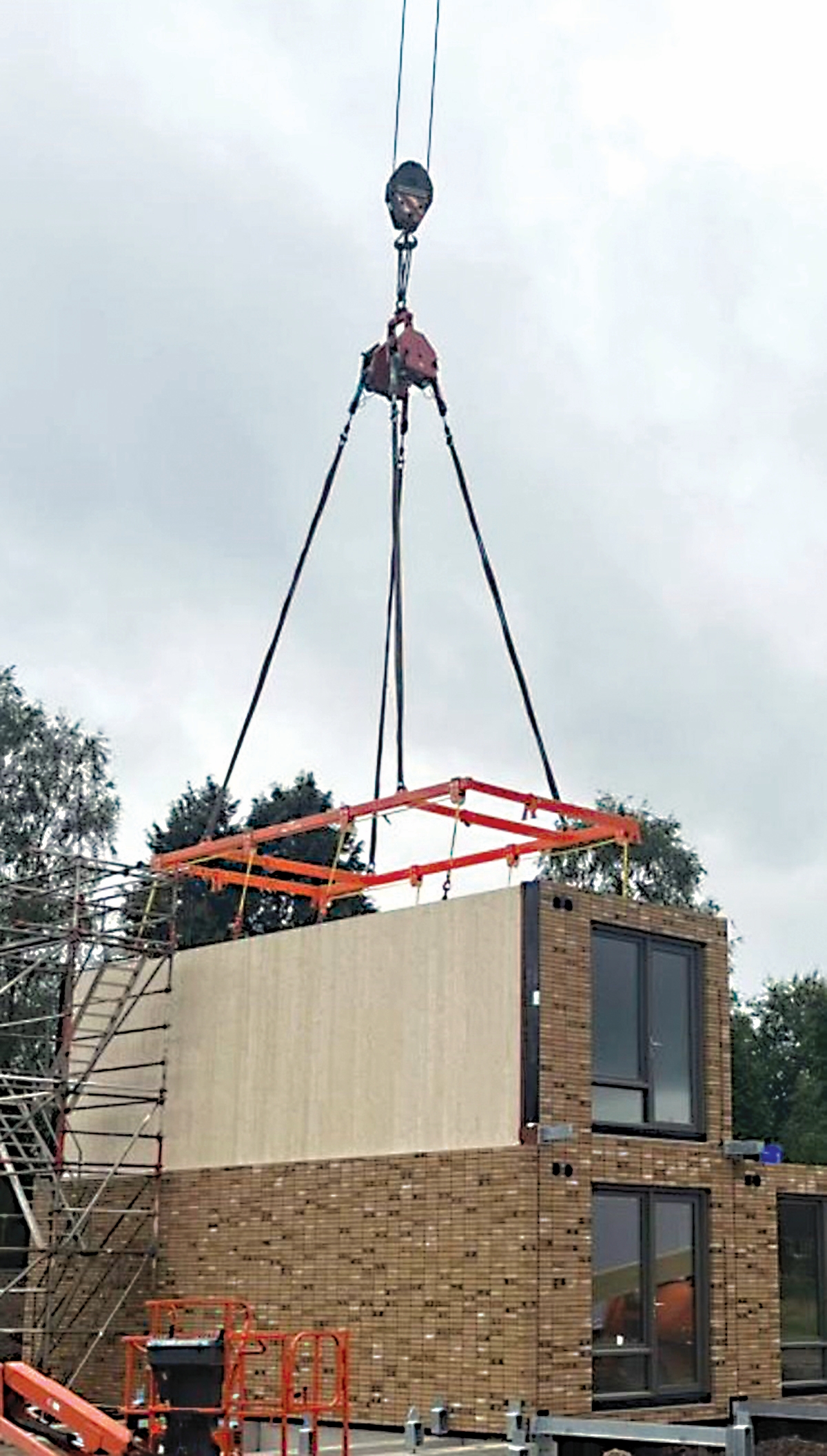 |
| The pewag Levo load balancer can be used instead of cascading spreader beam setups when headroom is limited. |
The load balancer can be used with many types of cranes.
McElravy explained that it can be used wherever there is a compatible crane hook, adequate headroom, and a lift plan. Equally varied are the end-user marketplaces where loads frequently have to be lifted horizontally or at a certain angle:
- Chemical and oil: the load balancer enables smooth repositioning of valves from horizontal to vertical and effortless pipe connections.
- Solar energy: accurately positions subframes and solar panels during large-scale park installations. More pre-assembly in the factory means less on-site labor.
- Wind energy: provides safe, precise positioning of wind turbine blades and components, ensuring optimal control and speed during production.
- Concrete: floors and walls can be installed with fewer personnel and minimal risk of damage thanks to precise load control.
- Aerospace: delicate components and long heat shields are installed precisely, reducing manual handling and error margins.
- Energy production: optimizes efficiency and performance for energy production and storage, helping companies streamline processes and operate sustainably.
- Housing: compensators on the load balancer deliver maximum precision for unit installation, making housing construction faster, safer, and more reliable.
The load balancer can be used instead of cascading spreader beam setups, which are typically taller, bulkier, and harder to maneuver in tight modular installations, when headroom is limited and buildings must be positioned precisely.
Also, a spreader rig can’t adjust the load’s angle mid‑lift when the load’s weight is unevenly distributed, while the pewag Levo system provides remote‑controlled tilting and rotation for accurate alignment.
Additionally, a spreader arrangement often requires more hands‑on load handling, whereas the Levo reduces the need for workers to be near the load by allowing adjustments from a safe distance, improving both efficiency and safety.
An additional feature is the floodlight, which offers users hands‑free light where they need it, instead of relying on jobsite lighting.
“It’s not just a nice extra; it genuinely helps you see the hook and load better,” McElravy said. “This improves safety and efficiency in low-light or night-time operations.”

CONTRACTOR SUPPLY MAGAZINE



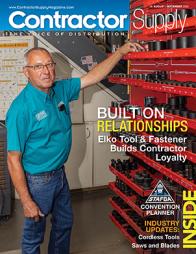
The August/September 2026 issue of Contractor Supply magazine is here!
In our cover story, Built on Relationships, Elko Tool & Fastener of Elko, Nevada has found success in the mining market by offering good customer service.
Also in this issue are Industry Updates.
This digital edition, sponsored by BECK AMERICA Inc., is fully searchable and contains live links to every advertiser and new product listing. Click away!
| Read the Articles Read the Digital Edition |