

LEEA Sets Date for Global Lifting Awareness Day 2026
The Lifting Equipment Engineers Association (LEEA) has scheduled the seventh Global Lifting Awareness Day (GLAD) for Thursday, July 2, 2026.
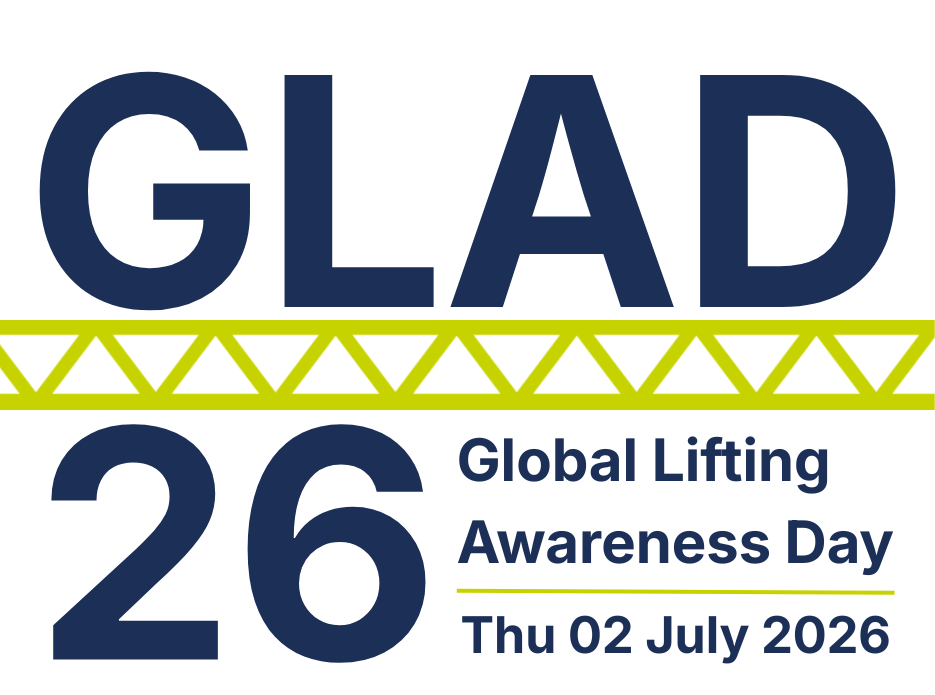 |
This year’s theme has been designated as “Not all lifting equipment is created equal.”
GLAD is a widely celebrated day where manufacturers, suppliers and end users are among those that share material that promotes safe and high-quality load lifting.
Social media posts, videos, articles, and in-person activity will again be bound together by the hashtag, #GLAD2026.
Powered by LEEA, its members and supporting industry stakeholders, GLAD 2026 will culminate in publication of a guidance document that procurement professionals can use to source lifting equipment.
“GLAD is a globally recognized concept that stands on firm footings in its purpose to raise awareness about the challenges facing lifting industries across the world,” said Matt Barber, director of membership at LEEA. “LEEA has always sought to use the day to intensify our focus on a campaign message, whether that be addressing skills shortages and shaping tomorrow’s workforce, or reminding industry that not all lifting equipment is created equal. If we can leave industry with a meaningful takeaway, it only serves to give greater meaning and purpose to members’ and end users’ ongoing efforts to celebrate their roles in our sector.”
LEEA also leads independent annual campaigns that delivers content aligned with its its mission to educate, influence and enable so that best practice is everyday action within the lifting and height safety industries.
This year is upheld by a program to help the industry describe its products clearly and buy them wisely.
“The most consequential decision in a lifting operation is often made weeks before the lift takes place, at the point of purchase,” Barber said. “The sling, the hoist, the shackle, the lifting accessory; what was specified, what documentation came with it, and whether the person who bought it had the information to make the right call.”
He noted that when that decision is made in an information vacuum, the risk doesn’t disappear but rather gets transferred to the people doing the work.
“Our end goal is to bring suppliers and buyers together on 2 July to make a collective pledge to do better,” Barber said.
LEEA conducts a spring survey campaign, with product suppliers and those making procurement decisions central to the body of research.
Manufacturers use a multitude of description conventions to bring lifting equipment to market.
Barber said that ambiguity means procurement professionals cannot reliably distinguish between a product engineered for demanding operational use and one designed for occasional application and LEEA has the accident data to prove it.

CONTRACTOR SUPPLY MAGAZINE
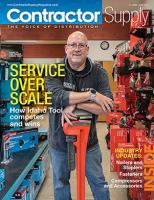
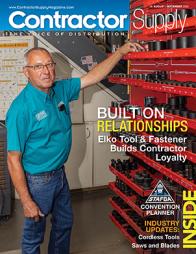
The August/September 2026 issue of Contractor Supply magazine is here!
In our cover story, Built on Relationships, Elko Tool & Fastener of Elko, Nevada has found success in the mining market by offering good customer service.
Also in this issue are Industry Updates.
This digital edition, sponsored by BECK AMERICA Inc., is fully searchable and contains live links to every advertiser and new product listing. Click away!
| Read the Articles Read the Digital Edition |