
 Fast Set Extreme from Bonstone is a structural strength epoxy adhesive for most stone applications involving restoration and the assembly of stone. Fast Set Extreme is ideal for jobsite repairs.
 American Clay Enterprises, Inc. has created a game-changer in cost and durability for commercial interior wall finishes. New PlasterPlus binder is added to the American Clay earthen plasters, resulting in a hard, yet repairable, No-VOC finish for the cost of a high quality, Zero-VOC paint job. PlasterPlus is sold dry in 27-pound lots through select commercial distributors, and is intended for commercial projects--such as healthcare, hospitality, universities--and big build residential.
 Nelson CLK Sealant is versatile and ready to use in virtually any application
 A full line of masonry stains that penetrate concrete, brick, stucco, and stone to create a colorfast, water-repellent, weather-resistant surface is available from Dampney Company, Inc. of Everett, Massachusetts.
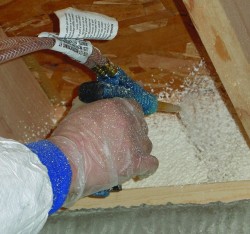 A major challenge in existing homes is air infiltration – a problem that can appear in multiple areas of a home, including the attic, rim joist and crawlspace. Using polyurethane foam to seal these critical areas is one the most cost-effective and easy solutions to stop air infiltration.
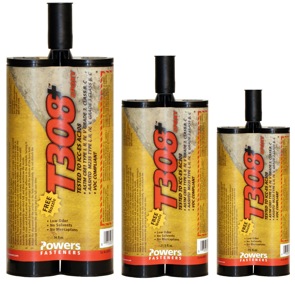 Powers T308+ is a two component epoxy adhesive anchoring system that fits most competitive tools on the market.
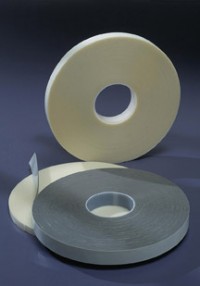 Pres-On's new "free film" acrylic adhesive is for OEM's who require the immediate adhesion of materials during assembly, including difficult to attach woods, foams, fabric, painted surfaces, and plastics.
 Convenience Products' Touch 'n Seal CPDS 1000 Constant Pressure Foam Dispensing System is an inexpensive, low-maintenance, portable constant pressure spray foam dispensing system that uses an internal air compressor to deliver higher foam yield at more than twice the speed as foam kits.
 ITW Plexus’ line of 24 industrial and surfacing adhesives have been certified by the Greenguard Environmental Institute (GEI) as low-emissions products suitable for indoor environments.
 ProSpec from Bonsal American expands its line of flooring repair products with the Moisture Vapor Reducer (MVR).
Page 26
Currently Viewing: Product Carousel
DAP 3.0 Advanced All-Purpose SealantAdhesives, Sealants & Coatings
Adhesives & Sealants: DAP 3.0 Advanced All-Purpose Sealant
 New DAP 3.0 Advanced All-Purpose Sealant is specially formulated with Kwik Dry Technology, allowing it to be exposed to water after just three hours without washing out; other caulks and sealants may require a 24-36 hour waiting period before exposing to water.
And for outdoor applications, it can be applied in extreme weather and temperature conditions (-35°F to 140°F). Both DIYers and contractors alike can save time and money by finishing the job faster and reducing the chance for errors.
- Ideal for a wide variety of indoor and outdoor applications, such as sealing windows, door frames, corner joints, siding, trim, butt joints, baseboards, molding, pipes, ducts and vents
- Adheres to wood, metal, brick, glass, vinyl, aluminum, concrete, masonry, plaster, drywall, stucco, stone and painted surfaces
- Wonʼt crack or shrink
- Easier to tool and less stringy than premium silicone
- Cured sealant that is mold and mildew resistant
- Superior paintability
- Available in White and Crystal Clear
- Crystal Clear offers superior clarity and allows the beauty of the surface to shine through the sealant
- Lifetime guarantee
Page 26