Adhesives & Sealants: Fomo Polyurethane Foam Insulation
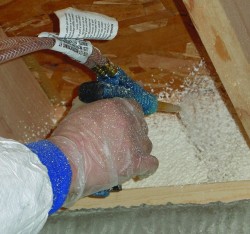 A major challenge in existing homes is air infiltration – a problem that can appear in multiple areas of a home, including the attic, rim joist and crawlspace. Using polyurethane foam to seal these critical areas is one the most cost-effective and easy solutions to stop air infiltration.
Traditional air sealing methods can be costly and require extensive time to apply. Using a polyurethane foam, such as Fomo Products, Inc.’s Handi-Family product line, creates an effective barrier in a fraction of time and cost. For instance, one can of Handi-Foam yields the same amount of air sealing material as 30 standard tubes of caulk, and it’s simple to install.
“Some air sealing methods can be messy and hard to maneuver, especially in tight spaces like attics and crawlspaces,” said Sara Jonas, senior manager – marketing, Fomo Products. “Using Handi-Foam makes the job go a lot smoother in a lot less time because it’s easy to use, extremely portable and doesn’t require additional materials or tools.”
From top to bottom
Existing homes typically have multiple air infiltration points, from the attic down to the basement. Closed cell foam is the best option when air sealing because it will also act as a vapor retarder, assisting with another common problems in existing homes that can lead to mold.
Attics
Vented attics are the best environment for employing air sealing methods with polyurethane foam, as they usually contain several spots of air and moisture penetration. These problem-areas include junction boxes, can lights, pipe penetrations and drywall-to-wood connections.
A quick flash of spray polyurethane foam (approximately ½ inch thick) will seal around these areas. When used in conjunction with traditional insulation methods, such as blown-in cellulose or fiberglass, this small amount of foam will stop air infiltration while maintaining the R-value designated by building codes.
Rim Joists
Rim joists are another common spot for air and moisture infiltration. Traditionally rim joists have been insulated with fiberglass, which can lead to mold problems when exposed to the elements and doesn’t stop air infiltration. Removing the existing fiberglass and spraying a flash of spray foam (approximately one-half to three inches thick) around the rim joist will create an airtight seal. The fiberglass can be placed over the foam to further insulate.
Crawlspaces
Crawlspaces can be a major contributor of moisture

 Nelson CLK Sealant is versatile and ready to use in virtually any application
 A full line of masonry stains that penetrate concrete, brick, stucco, and stone to create a colorfast, water-repellent, weather-resistant surface is available from Dampney Company, Inc. of Everett, Massachusetts.
 New DAP 3.0 Advanced All-Purpose Sealant is specially formulated with Kwik Dry Technology, allowing it to be exposed to water after just three hours without washing out; other caulks and sealants may require a 24-36 hour waiting period before exposing to water.
 ProSpec from Bonsal American expands its line of flooring repair products with the Moisture Vapor Reducer (MVR).


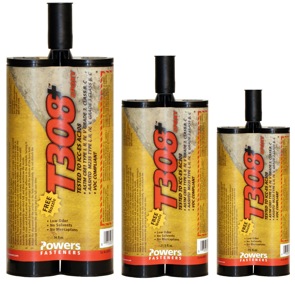 Powers T308+ is a two component epoxy adhesive anchoring system that fits most competitive tools on the market.
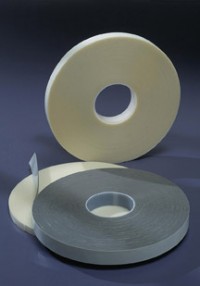 Pres-On's new "free film" acrylic adhesive is for OEM's who require the immediate adhesion of materials during assembly, including difficult to attach woods, foams, fabric, painted surfaces, and plastics.
 Convenience Products' Touch 'n Seal CPDS 1000 Constant Pressure Foam Dispensing System is an inexpensive, low-maintenance, portable constant pressure spray foam dispensing system that uses an internal air compressor to deliver higher foam yield at more than twice the speed as foam kits.
 ITW Plexus’ line of 24 industrial and surfacing adhesives have been certified by the Greenguard Environmental Institute (GEI) as low-emissions products suitable for indoor environments.